
A 95% pure peptide sounds acceptable until you realize that the 5% you can’t account for is actively competing with your compound for the same receptor sites. In most areas of research, minor impurities are an inconvenience. With GLP-1 receptor agonist peptides, they’re a variable that can silently corrupt every data point your study produces. GLP-1 peptides work through highly specific receptor binding mechanisms, and that specificity is exactly what makes purity so critical.
For researchers sourcing GLP-1 research peptides in Canada, understanding why the purity standard for these compounds sits higher than almost any other category is foundational knowledge, not fine print.
What Makes GLP-1 Peptides Structurally Unique
GLP-1 receptor agonist peptides are among the most structurally complex research compounds in active use today. Semaglutide is a 31-amino acid peptide modified with a fatty acid chain that extends its half-life. Tirzepatide is a 39-amino acid dual agonist engineered to activate both GLP-1 and GIP receptors simultaneously.
Retatrutide pushes further still as a triple agonist targeting GLP-1, GIP, and glucagon receptors in a single molecule. Each of these peptides contains precisely sequenced amino acid chains where the order, orientation, and chemical modifications at specific positions determine whether the molecule binds its target receptor correctly.
How Impurities Specifically Affect GLP-1 Research Data
Receptor Binding Competition
The GLP-1 receptor is a G protein-coupled receptor that responds to specific structural features of its ligand. When a synthesis byproduct shares partial structural homology with the intended compound, it can occupy receptor sites without triggering the full downstream signaling cascade. The result is reduced apparent potency in your data that doesn’t reflect the true activity of the target compound. Researchers who attribute this to biological variability rather than compound impurity end up chasing explanations that don’t exist.
This problem is especially significant in dose-response studies. If your compound contains 3 to 5% structurally similar impurities acting as partial antagonists, your dose-response curve will shift in ways that look like a biological effect but are actually an artifact of your source material.
Any downstream conclusions about receptor sensitivity, effective concentration, or comparative potency against other GLP-1 research peptides will be built on compromised data.
Off-Target Signaling and Inflammatory Artifacts
Peptide impurities that don’t share structural similarity with the target compound present a different kind of problem. Truncated peptide fragments, synthesis byproducts, and residual protecting groups from the manufacturing process can trigger non-specific immune responses, activate inflammatory pathways, or alter cytokine profiles in cell culture and animal models.
In metabolic research where inflammatory markers are often key outcome variables, these artifacts can produce false positive or false negative results that are genuinely difficult to distinguish from real biological effects.
Studies examining GLP-1 receptor agonist effects on liver inflammation, adipose tissue remodeling, or cardiovascular risk markers are particularly vulnerable. These are complex, multi-pathway outcomes that require clean baseline conditions to interpret correctly. An impure compound doesn’t just add noise; it changes the biological environment your study is trying to characterize.
Why GLP-1 Peptides Require a Higher Purity Standard
The Complexity-Purity Relationship
Shorter, simpler peptides can tolerate marginally lower purity without the same level of experimental risk. A five or six-amino acid peptide has fewer synthesis steps, fewer potential error points, and a smaller pool of structurally similar byproducts. GLP-1 receptor agonists are 30 to 39 amino acids long, carry chemical modifications, and in some cases include lipid attachments that add additional synthesis complexity. Every additional step in the synthesis chain is another opportunity for impurities to enter the final product.
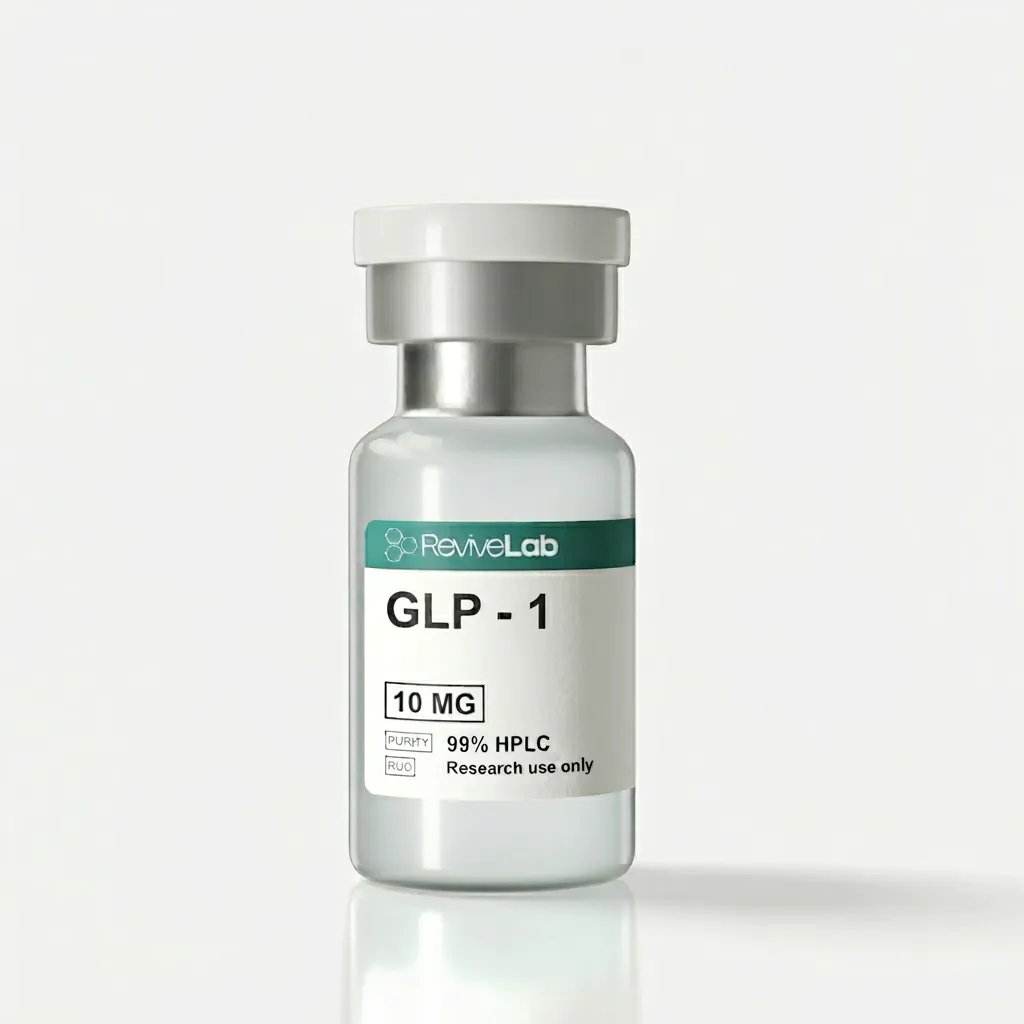
This is why the research standard for GLP-1 receptor agonist peptide compounds sits at 98% purity or higher, verified through HPLC analysis, with molecular identity confirmed by mass spectrometry. These aren’t arbitrary thresholds. They reflect the minimum standard at which the compound’s behavior in research models can be reliably attributed to the intended molecule rather than to synthesis artifacts.
What Proper Documentation Looks Like
A batch-specific Certificate of Analysis (COA) is the non-negotiable document that separates a research-grade supplier from a commercial peptide vendor. For GLP-1 research peptides in Canada, the COA should include HPLC chromatography data showing the purity profile, mass spectrometry confirmation of the correct molecular weight, the batch number corresponding to your specific order, synthesis date, and recommended storage conditions for that batch.
Generic COAs that apply to an entire product category rather than a specific batch are not acceptable for research purposes. Batch-to-batch variation in peptide synthesis is real, and a document that doesn’t reference your specific batch tells you nothing meaningful about what’s actually in your vial.
Any supplier unwilling or unable to provide batch-specific documentation is not operating at research grade, regardless of what their product listings claim.
Storage Conditions and Purity Maintenance
Purity is not a fixed property. It’s a condition that degrades when compounds are handled, stored, or shipped incorrectly. GLP-1 peptides are sensitive to temperature fluctuations, moisture exposure, and light degradation. A compound that leaves a manufacturing facility at 99% purity can arrive at your lab significantly degraded if the cold chain is broken during transit or if the vial is stored improperly before shipping.
Lyophilized powder form provides the best stability for long-term storage and shipping. Research-grade suppliers ship GLP-1 peptides in sealed, sterile vials with temperature-controlled packaging and provide clear reconstitution and storage guidance with each order. These handling standards are not optional extras; they’re part of what defines a compound as genuinely research-grade from synthesis through to delivery.
Your Data Is Only as Good as Your Compound
The investment researchers put into study design, animal models, analytical equipment, and data analysis deserves source material that matches that standard. When you source GLP-1 receptor agonist peptide in Canada, the purity percentage, the verification method, the documentation quality, and the handling standards all determine whether your results are trustworthy.
Cutting corners at the sourcing stage doesn’t save time; it generates data that can’t be published, replicated, or built upon. Approach a supplier that treats purity documentation as a research requirement and not a marketing point, and your science will reflect that standard from the first experiment forward.