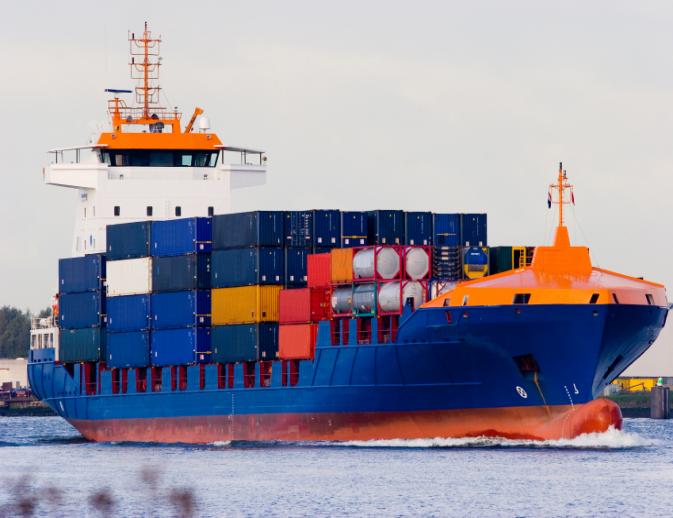

International business requires sea freight services because it is used to transport raw materials as well as finished goods to all corners of the world. Companies use sea freight services to keep their markets well-stocked. In order to guarantee effective and economical overseas delivery operations, the freight forwarder in Pakistan assists the shipper in managing their paperwork requirements while tracking their shipments.
Important Sea Freight Obstacles and Solutions
The sea freight system has various issues, but it remains a crucial component of global trade operations. Companies can minimize problems with proper planning, proper paperwork, tracking, and professional logistical support. The process of identifying risks requires early detection, while the process of finding solutions leads to secure and efficient sea freight from Pakistan to the USA.
Port Congestion and Delays
The Problem
Today, the trade lanes are being hit by congestion in ports. Waiting is therefore inevitable when a large number of ships come simultaneously. There are long queues in front of the terminals. Container goods remain on ships longer. That is postponing the supply chain.
Delays can also occur due to the unavailability of enough staff in a port or equipment failure, or even other factors such as bad weather.
The Solution
Shippers can fix this by planning multiple routes. They should select less congested ports. Partners who track vessel schedules help manage delays.
Early bookings secure better sailing slots. Strong coordination with terminals and carriers reduces surprises.
Fast information sharing enables teams to respond quickly and keep shipments moving smoothly.
Documentation Errors
The Problem
Paperwork mistakes have the potential to halt a shipment. Cargo will be withheld by customs officials in case the details do not match. An incorrect Hs code or the spelling of the consignee’s name results in detention.
The carriers can also reject bills of lading that have wrong weights or wrong port codes. These errors incur additional charges.
The Solution
Use a document checklist. Check all the forms before filling them in. Compare the values, names, and codes against your supplier and customer.
Document review is a service that is provided by many major freight companies. They scan your export and import documentsbeforeo entry into customs. This helps to identify mistakes at the initial stages and avoid days of lost time.
Train documentation staff on a routine basis. Maintaining skills minimizes errors of carelessness.
Customs Clearance Issues
The Problem
There are vast differences in customs rules depending on the country. One country may permit a product to be free, whereas the other may insist on a license. Unless your shipment comes with the right permit, it can be detained by the authorities for weeks.
Additional checks are imposed on some products, particularly food, electronic, or controlled chemicals.
The Solution
Collaborate with customs brokers who are knowledgeableaboutf local laws. Experts are informed of the changing rules and tariff framework.
Prepare the customs declaration of files before the arrival of the ship. Early submission leads to fewer situations in which the cargo has to remain at the port unpaid or uncleared.
In addition to this, make sure that the HS codes are correct and that the shipments are classified well. Mistaken identification results in penalties and confiscated shipments.
Cargo Damage
The Problem
A common problem with sea freight is cargo damage. Ruddy waters, inadequate packaging,g and faulty packing are all contributing factors. These are particularly vulnerable to fragile goods, electronics, cs, and temperature-sensitive items.
Poor stuffing of containers may result in shifting during transit. The result of that is broken boxes and devastated goods.
The Solution
Invest in strong packaging. Pallets, cushioning material, and container liners should be used where necessary. Refrigerated (reefer) containers should be usedforn perishable goods.
Containers should be secured by the port workers. A trained staff will be able to avoid inside movement that will harm goods.
Check cargo before loading. It is possible to repair any weak packaging on the spot.
Monitoring and Tracking Issues
The Problem
Lack of knowledge on the whereabouts of your cargo is a stressor. Once the tracking systems are old and silent, you lose track. Customers do not know when goods will be delivered.
Manual update is still a common feature of many companies. Those cause delays in the response.
The Solution
Digital tracking should be embraced. Containers can be seen in real time using modern platforms. You see the location, approximate arrival time, and status changes immediately.
Good logistics companiestakes the initiative to share updates. You receive notifications through email or text messages before things go wrong. This keeps the customers up to date and minimizes support calls.
High Freight Costs
The Problem
The freight rates are subject to wild swings. Sea freight costs are influenced by fuel prices, demand spikes, and carrier surcharges.
When it comes to the lowest price, you may compromise the quality of service or reliability.
The Solution
Negotiate long-term carrier deals to secure better rates and avoid sudden increases. Optimize container use with full loads.
Consolidate small shipments with others to lower per-shipment costs.
Security and Loss
The Problem
The ocean is a busy place. Theft, misplacement, and loss of cargo take place annually. Containers may be lostint storms or due to mishandling.
There are other dangerous cargoes that will either lead to fire or other safety concerns when not declared. Such accidents postpone whole trips and even ruin merchandise.
The Solution
Buy tamper-evident seals on all containers. Seal tracks with numbers to keep away illegal access.
Declare all the dangerous goods properly. It is not only a legal requirement, but it also ensures that safety incidents are avoided on board.
Use GPS monitoring of deliveries. This provides you with an instant reaction to incidents.
Conclusion
Sea freight remains central to global trade. It moves large volumes at lower cost across continents. Challenges still exist. Understanding common risks helps businesses prepare better. Issues like documentation and container shortages have solutions. Technology, early planning, and expert partners improve reliability. With the right steps, supply chains stay efficient, timely, and cost-effective.