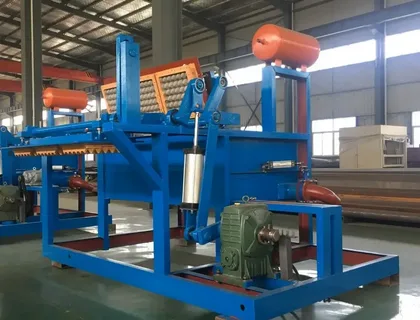

In today’s world, sustainable practices have become a necessity for businesses and individuals alike. One technology that has been gaining attention for its eco-friendly impact is the pulp moulding machine. By converting waste paper and other recycled fibers into biodegradable packaging products, pulp moulding machines are helping reduce environmental harm while promoting a circular economy. From reducing landfill waste to lowering carbon footprints, the environmental benefits of using a pulp moulding machine are numerous and significant.
Pulp moulding machines are designed to produce packaging materials such as trays, containers, and protective cushioning without relying on plastic. Traditional packaging often involves single-use plastics that take hundreds of years to decompose, causing long-term pollution. In contrast, pulp-based products created by these machines are fully biodegradable and compostable, offering a sustainable alternative that aligns with global efforts to reduce plastic pollution. Businesses that adopt pulp moulding machines are contributing to a greener environment while maintaining efficient packaging solutions.
Reduces Waste in Landfills
One of the primary environmental benefits of a pulp moulding machine is its ability to significantly reduce the amount of waste ending up in landfills. The machine utilizes recycled paper, cardboard, and agricultural residues to create new packaging materials, diverting waste that would otherwise contribute to landfill accumulation. By recycling these materials, pulp moulding machines help reduce landfill congestion, mitigating harmful environmental effects such as soil contamination and methane gas emissions.
Moreover, the process of pulp moulding supports a circular economy, where waste is repurposed instead of discarded. Unlike plastic packaging, which can take centuries to degrade, pulp-based packaging decomposes naturally within a few months. This decomposition process enriches the soil and reduces the environmental burden of waste disposal. Businesses and communities that implement pulp moulding machines are taking a proactive step toward responsible waste management and environmental conservation.
Lowers Carbon Footprint
Another key advantage of using a pulp moulding machine is its contribution to lowering carbon footprints. The production of plastic packaging is energy-intensive and heavily reliant on fossil fuels, resulting in significant greenhouse gas emissions. Pulp moulding machines, however, use recycled materials and operate with comparatively lower energy requirements, reducing the overall carbon emissions associated with packaging production.
Additionally, the lightweight nature of pulp-based products decreases transportation energy costs. Shipping lighter, biodegradable packaging reduces fuel consumption and emissions during logistics operations. By adopting a pulp moulding machine, companies can significantly reduce their environmental impact while demonstrating their commitment to sustainable business practices, making it an ideal solution for eco-conscious brands.
Promotes Sustainable Resource Utilization
A pulp moulding machine encourages the sustainable use of natural resources by transforming waste materials into valuable products. Instead of harvesting new raw materials such as wood or petroleum-based products, pulp moulding relies on recycled fibers and by-products. This approach conserves natural resources, reduces deforestation, and limits the exploitation of non-renewable materials.
Furthermore, pulp moulding machines can handle a wide variety of raw inputs, including agricultural waste like sugarcane bagasse, wheat straw, and rice husks. Utilizing these by-products not only reduces waste but also provides an additional revenue stream for farmers and local communities. By integrating pulp moulding machines into production lines, industries can support resource efficiency while contributing to environmental sustainability.
Biodegradable and Compostable Packaging
One of the most compelling environmental benefits of a pulp moulding machine is its ability to produce biodegradable and compostable packaging. Traditional packaging materials, particularly plastics, are non-biodegradable and persist in the environment, causing pollution and harming wildlife. Pulp-based packaging, on the other hand, breaks down naturally and can even be composted to enrich soil health.
Using pulp moulding machines allows businesses to provide environmentally responsible packaging without compromising functionality. Products such as egg trays, food containers, and protective packaging can be safely disposed of after use, reducing the overall waste burden. As consumers increasingly demand sustainable packaging solutions, the adoption of pulp moulding machines aligns both with market trends and environmental stewardship.
Supports Circular Economy and Green Manufacturing
Finally, a pulp moulding machine plays a crucial role in promoting a circular economy and green manufacturing practices. By converting waste into reusable packaging products, these machines close the loop on material usage and minimize environmental impact. Companies adopting pulp moulding technology are not only reducing waste but also creating a sustainable business model that values resource efficiency.
Green manufacturing through pulp moulding also supports corporate social responsibility initiatives. Organizations can showcase their commitment to sustainability by using eco-friendly packaging, attracting environmentally conscious customers and enhancing brand reputation. The integration of pulp moulding machines into production systems represents a forward-thinking approach to manufacturing—one that prioritizes environmental preservation while maintaining economic viability.
In conclusion, the environmental benefits of using a pulp moulding machine are extensive. From reducing landfill waste and lowering carbon footprints to promoting sustainable resource use and providing biodegradable packaging, pulp moulding machines offer a practical and eco-friendly solution for modern businesses. As the world moves toward sustainable practices, adopting this technology is not only beneficial for the environment but also enhances brand credibility and meets consumer demand for green products. Embracing pulp moulding machines is a win-win approach for both industry and the planet.