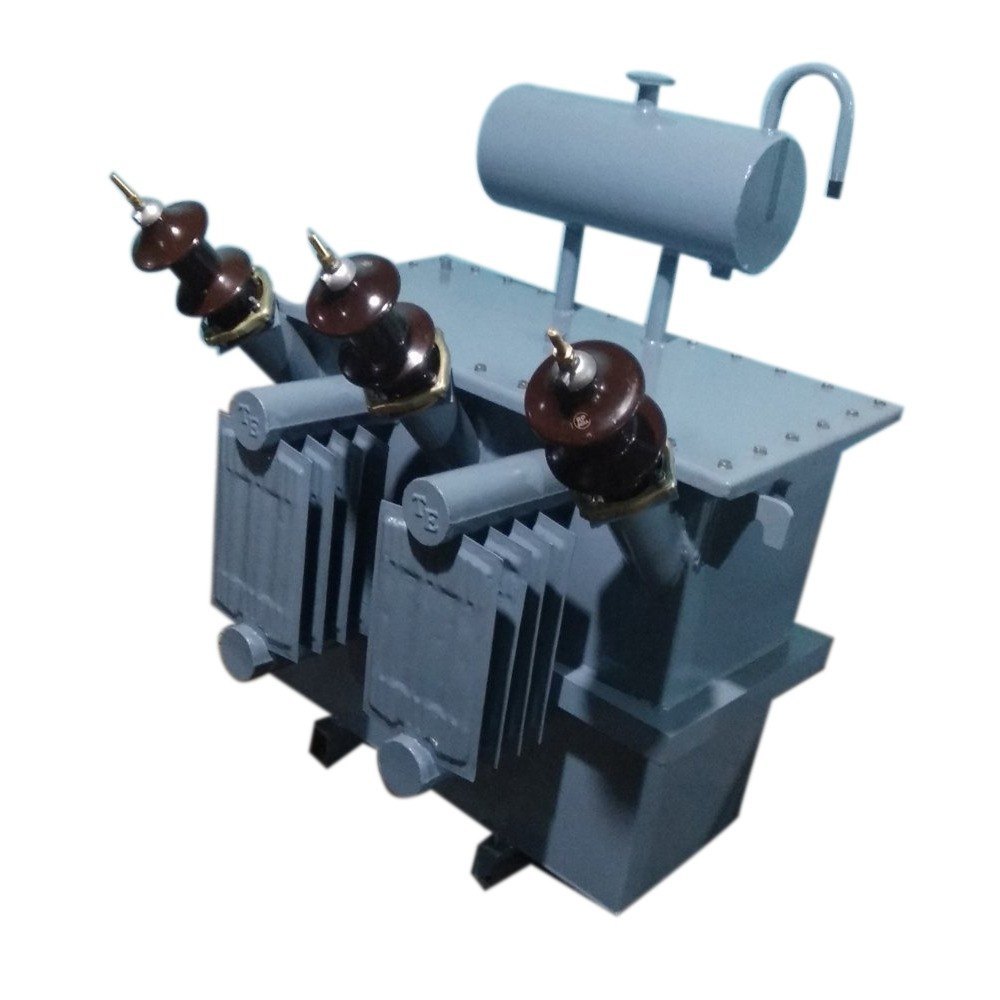

Electric power systems depend on transformers to work smoothly and safely. From homes and shops to factories and offices, transformers play a silent but very important role. Among the many sizes available, the 63 kva transformer is one of the most commonly used ratings in local power distribution. It is popular because it fits the needs of small communities, commercial buildings, and light industrial areas.
This blog gives a complete and easy-to-understand explanation of what a 63 kVA transformer is, how it works, its ratings, functions, applications, advantages, and maintenance needs. The language is kept simple so that even readers without an electrical background can understand it clearly.
What Is a Transformer?
A transformer is an electrical device that transfers electricity from one circuit to another. It does this by changing the voltage level while keeping the frequency the same. In simple words, a transformer either increases voltage (step-up) or decreases voltage (step-down).
Transformers are used to:
- Reduce high voltage electricity to safe levels for homes and offices
- Increase voltage for long-distance power transmission
- Protect electrical equipment from damage
Without transformers, it would be very difficult to supply electricity safely and efficiently.
Understanding kVA Rating
Before going deeper, it is important to understand what “kVA” means.
kVA stands for kilovolt-ampere. It is a unit used to measure the apparent power of a transformer. Apparent power includes both:
- Real power (used to do actual work)
- Reactive power (used to maintain magnetic fields)
Unlike kilowatts (kW), kVA does not depend on power factor. That is why transformer sizes are always given in kVA and not in kW.
So, when we say a transformer is rated at 63 kVA, it means it can safely handle an electrical load of 63 kilovolt-amperes under normal conditions.
What Is a 63 kVA Transformer?
A 63 kVA transformer is a medium-capacity distribution transformer. It is mainly used to supply power to:
- Residential areas
- Small apartment buildings
- Shops and offices
- Schools and clinics
- Small industrial units
This rating is ideal where power demand is moderate and does not require very large transformers.
Why 63 kVA Rating Is Commonly Used
The 63 kVA rating is widely used because it offers a good balance between capacity, cost, and efficiency. Some reasons for its popularity include:
- Suitable for multiple households
- Handles daily load variations easily
- Lower installation and maintenance cost
- Compact size compared to higher-rated transformers
- Reliable performance in urban and rural areas
Because of these benefits, power utilities and private users often choose this rating.
Basic Parts of a 63 kVA Transformer
To understand how a transformer works, let us look at its main parts.
Core
The core is made of laminated steel sheets. It provides a path for magnetic flux and reduces energy losses.
Windings
There are two types of windings:
- Primary winding (input side)
- Secondary winding (output side)
These windings are made of copper or aluminum conductors.
Insulation
Insulation materials prevent short circuits and electrical leakage between windings and the core.
Transformer Oil
In oil-filled transformers, oil is used for cooling and insulation. It helps carry away heat and improves efficiency.
Tank
The tank holds the core, windings, and oil. It also protects internal parts from moisture and dust.
Bushings
Bushings allow electrical connections to pass safely through the transformer tank.
Types of 63 kVA Transformers
Depending on design and application, a 63 kVA transformer can be of different types.
Oil-Filled Transformer
This is the most common type. It uses transformer oil for cooling and insulation. It is suitable for outdoor use and has a long service life.
Dry-Type Transformer
This type does not use oil. Air is used for cooling. It is safer for indoor use, especially in buildings where fire risk must be minimized.
Single-Phase Transformer
Used where single-phase power supply is required, such as small residential areas.
Three-Phase Transformer
Used for commercial and industrial applications where three-phase power is needed.
Voltage Ratings of a 63 kVA Transformer
The voltage rating depends on the application and power supply system. Common voltage combinations include:
- High Voltage (HV): 11 kV or 33 kV
- Low Voltage (LV): 415 V or 433 V
For example, an 11 kV / 415 V transformer steps down high voltage power from the grid to low voltage suitable for local distribution.
How a 63 kVA Transformer Works
The working principle of a transformer is based on electromagnetic induction.
- Alternating current flows through the primary winding.
- This creates a changing magnetic field in the core.
- The magnetic field induces voltage in the secondary winding.
- The voltage level changes according to the turns ratio of the windings.
No direct electrical connection exists between the primary and secondary sides. This makes transformers very safe and efficient.
Functions of a 63 kVA Transformer
A 63 kVA transformer performs several important functions:
Voltage Regulation
It ensures that electricity is supplied at the correct voltage level.
Power Distribution
It distributes power to multiple users in a safe and controlled way.
Electrical Isolation
It isolates high voltage from low voltage circuits, improving safety.
Load Handling
It manages load changes during peak and off-peak hours.
Equipment Protection
It protects connected devices from voltage fluctuations and overloads.
Common Applications
A 63 kVA transformer is used in many everyday situations.
Residential Areas
It supplies power to a group of houses or apartment blocks.
Commercial Buildings
Shops, offices, and small malls often depend on this rating.
Educational Institutions
Schools and colleges use it for lighting, computers, and labs.
Healthcare Centers
Clinics and small hospitals use it to power essential equipment.
Small Industries
Workshops and small factories use it for machines and tools.
Advantages of Using a 63 kVA Transformer
There are many advantages to choosing this transformer rating.
Cost-Effective
It is more affordable than higher-rated transformers.
Efficient Performance
It provides good efficiency for medium load requirements.
Easy Installation
Its size and weight make installation simpler.
Low Maintenance
With proper care, maintenance needs are minimal.
Long Life
Good quality transformers can last 20 to 30 years or more.
Efficiency and Losses
Like all electrical equipment, transformers have some losses.
Core Losses
These occur due to magnetic properties of the core and remain constant.
Copper Losses
These occur due to resistance in the windings and vary with load.
A well-designed 63 kVA transformer has high efficiency, often above 98% at rated load.
Cooling Methods
Cooling is important to prevent overheating.
Natural Oil Cooling
Heat is transferred from windings to oil and then to the tank surface.
Air Cooling
Used mainly in dry-type transformers where air circulates around windings.
Proper cooling increases transformer life and performance.
Installation Considerations
Correct installation ensures safe and reliable operation.
- Place the transformer on a strong foundation
- Ensure proper earthing
- Maintain safe clearance from buildings
- Protect from water and dust
- Follow local electrical safety standards
Professional installation is always recommended.
Maintenance Tips
Regular maintenance helps avoid breakdowns.
- Check oil level and quality
- Inspect bushings for cracks
- Monitor temperature
- Listen for unusual noise
- Tighten loose connections
Simple checks done on time can prevent costly repairs.
Safety Aspects
Safety is very important when dealing with transformers.
- Always keep unauthorized people away
- Use proper fencing for outdoor units
- Follow lockout procedures during maintenance
- Never overload the transformer
Following safety rules protects both people and equipment.
Choosing the Right 63 kVA Transformer
Before selecting a transformer, consider these factors:
- Load requirement
- Type of supply (single-phase or three-phase)
- Indoor or outdoor installation
- Efficiency and losses
- Quality of materials and design
Choosing the right transformer ensures reliable power supply and long service life.
Environmental Impact
Modern transformers are designed to be environmentally friendly.
- Low-loss cores reduce energy waste
- Biodegradable oils reduce pollution risk
- High efficiency lowers carbon footprint
Using efficient transformers supports energy conservation.
Future Importance of Distribution Transformers
As electricity demand grows, reliable distribution transformers will become even more important. With increasing use of electric vehicles, solar power, and smart grids, transformers like the 63 kVA rating will continue to play a key role in power systems.
Conclusion
A 63 kva transformer price is a dependable and widely used solution for medium-level power distribution needs. It offers the right mix of capacity, efficiency, safety, and affordability. From residential areas to small industries, this transformer rating supports everyday electrical needs with stable performance and long life.
Understanding its ratings, functions, and applications helps users make better decisions when planning electrical systems. With proper installation and regular maintenance, it can serve reliably for many years.