
Introduction
Thermal paper rolls are everywhere, even if most people do not notice them. Every time you receive a receipt from a shop, restaurant, ATM, or parking machine, it’s likely printed on thermal paper. These rolls play a key role in daily business operations because they are fast, clean, and reliable. Unlike traditional paper, thermal paper does not require ink or toner, making printing more straightforward and more cost-effective.
In this guide, we will break down what thermal paper rolls are, how they work, the main types available, and how to choose the right option for your business. Whether you run a retail store, restaurant, or logistics operation, understanding thermal paper rolls can help you avoid printer issues and reduce ongoing costs.
What Are Thermal Paper Rolls
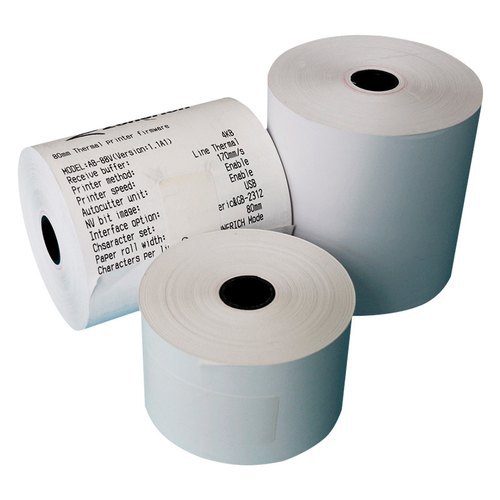
Thermal paper rolls are special paper rolls coated with a heat-sensitive layer. When the paper passes through a thermal printer, heat reacts with the coating to create text or images. This process removes the need for ink ribbons or cartridges.
Because of this simple printing method, thermal paper rolls are widely used in point-of-sale systems, barcode printers, and ticket machines. They are known for sharp print quality, fast output, and low maintenance requirements.
How Thermal Paper Printing Works
Thermal printing works through direct heat contact. Inside the printer, tiny heating elements apply heat in specific patterns. The coated surface of thermal paper reacts to this heat, turning dark where needed to form letters, numbers, or barcodes.
There are two standard thermal printing methods:
Direct Thermal Printing
Direct thermal printing uses only thermal paper rolls. No ribbon is involved. This method is ideal for short-term printing, such as receipts and shipping labels.
Thermal Transfer Printing
Thermal transfer printing uses heat along with a ribbon to transfer ink onto paper. While this method lasts longer, it usually does not use standard thermal paper rolls for receipts.
Common Uses of Thermal Paper Rolls
Thermal paper rolls are used across many industries due to their speed and convenience.
Retail and Supermarkets
Cash registers and POS systems rely on thermal paper rolls for receipts. Fast printing helps reduce customer wait time.
Restaurants and Cafes
Order tickets and customer bills are often printed on thermal paper. The clear print makes orders easy to read in busy kitchens.
Banking and ATMs
ATM receipts and transaction slips commonly use thermal paper rolls because they print quickly and require little maintenance.
Logistics and Warehousing
Shipping labels and tracking barcodes are printed on thermal paper, ensuring scannable, accurate labels.
Related more articles, barcode printer
Types of Thermal Paper Rolls
Not all thermal paper rolls are the same. Choosing the right type depends on your printer and usage needs.
BPA Free Thermal Paper
BPA-free thermal paper rolls are safer for frequent handling. Many businesses now prefer this option due to health and environmental concerns.
Standard Thermal Paper
This is the most commonly used option for receipts. It is affordable and works well for everyday printing.
Premium Thermal Paper
Premium rolls offer better heat sensitivity and longer image life. They are ideal for receipts that need to remain readable for extended periods.
Choosing the Right Thermal Paper Rolls
Selecting the right thermal paper rolls helps avoid printer jams, faded prints, and wasted paper.
Check Paper Size
Always match the roll width and diameter with your printer specifications. Using the wrong size can damage the printer.
Consider Print Longevity
If receipts need to last for returns or records, choose higher-quality thermal paper rolls with longer image stability.
Look at Coating Quality
A smooth and even coating ensures clear printing and reduces wear on the printer head.
Buy from Reliable Suppliers
Consistent quality matters. Reliable suppliers provide uniform rolls that perform well across different printers.
Storage and Handling Tips
Proper storage can extend the life of thermal paper rolls. Keep them away from heat, sunlight, and humidity. Exposure to high temperatures can cause premature darkening or fading. Store rolls in a cool and dry place for best results.
Conclusion
Thermal paper rolls may seem simple, but they are a vital part of modern business operations. From retail receipts to shipping labels, they offer fast, clean, and efficient printing without the need for ink. By understanding how thermal paper rolls work, the different types available, and how to choose the right ones, businesses can improve print quality and reduce long-term costs. Investing in the right thermal paper rolls ensures smooth daily operations and reliable results every time.
Related more articles, visit by here