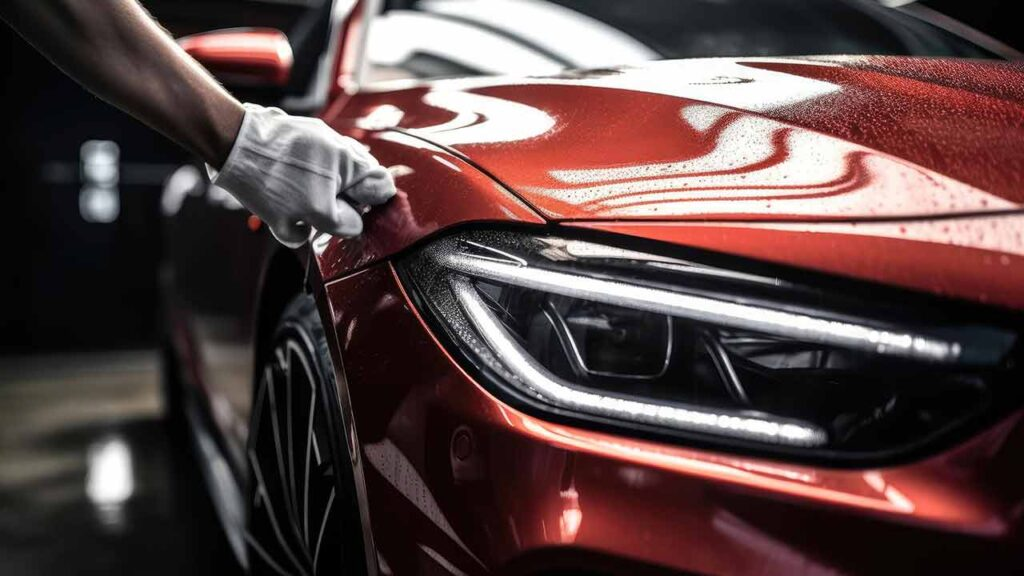

In the evolving landscape of automotive care, a quiet revolution is reshaping how we clean our vehicles. Traditional bucket-and-hose washes, while effective, come with significant limitations in water consumption, location restrictions, and environmental impact. Enter modern waterless wash technology—a sophisticated approach that’s fundamentally transforming the industry. For the discerning vehicle owner and the modern detailer alike, these advanced formulations represent more than just a convenience; they signify a paradigm shift toward more sustainable, versatile, and efficient vehicle maintenance. This evolution is particularly crucial in the realm of professional car detailing, where results, safety, and adaptability are paramount.
The Science Behind the Spray: How Waterless Technology Works
Contrary to what the name might suggest, waterless washes don’t simply “dry wipe” dirt away. The technology hinges on advanced chemistry. Premium waterless formulas are concentrated blends of high-lubricity polymers, gentle surfactants, and surface-active agents suspended in a sprayable solution.
The process is elegantly simple yet scientifically profound. When sprayed onto a lightly soiled surface, the solution creates a thick, lubricating film that encapsulates and lifts dirt particles away from the paint. Specially designed, plush microfiber towels—typically used in a multi-towel “fold-and-flip” method—then gently wipe the surface. The lubricity ensures particles glide across the paint without scratching, while polymers left behind provide a protective, glossy layer. This method effectively cleans, shines, and protects in one step, using only a few ounces of liquid versus dozens of gallons of water.
The Driving Forces: Why This Technology Is Gaining Traction
Several converging factors explain the rapid adoption of waterless systems by premier mobile operators and informed enthusiasts.
Environmental Imperative: Traditional car washes can use 40-100 gallons of water per vehicle. In regions facing drought or water restrictions, this is increasingly untenable. Waterless washing reduces water consumption by over 95%, with wastewater runoff—containing oils, heavy metals, and phosphates—being virtually eliminated.
Unmatched Versatility and Access: The single greatest advantage is location freedom. Detailers are no longer constrained by the need for a hose bib or drainage. They can perform a premium wash in office parking garages, apartment complexes, corporate fleet lots, or at a client’s downtown workplace—places where traditional washing is impossible or prohibited. This unlocks a massive market previously underserved.
Enhanced Safety for Paint: When performed correctly with premium products and proper technique, a waterless wash can be safer than many traditional methods. It eliminates the risk of “droplet etching” from mineral-rich water drying in the sun and removes the danger of swirling caused by a dirty wash mitt dragging grit across the paint in a bucket wash.
Operational Efficiency for Businesses: For mobile detailing companies, the logistical benefits are transformative. Eliminating the need to transport hundreds of gallons of water or find a water source at each job reduces vehicle weight, fuel costs, and setup/breakdown time. This allows for more appointments per day and service in previously inaccessible areas, directly boosting profitability and market reach.
Beyond the Basics: Applications in Professional Detailing
In a professional detailing context, waterless formulas are not just for light dust. They serve multiple specialized functions:
As a Pre-Wash/Soak: Sprayed on a heavily soiled vehicle before a contact wash, they help loosen and lubricate grime, making the subsequent rinse and wash safer and more effective.
As a “Detailer’s Quick Detailer”: For light dust removal between full washes or for final touch-ups after polishing, they’re indispensable for maintaining a flawless finish without introducing new scratches.
For Interior and Engine Bay Cleaning: Many formulas are versatile enough for safe use on interior vinyl, plastics, and even under the hood, simplifying a detailer’s product inventory.
As a Clay Bar Lubricant: The high lubricity makes some waterless washes excellent clay lubricants, performing decontamination with exceptional slickness and safety.
Addressing the Skepticism: Limitations and Best Practices
The technology is not without its critics, and understanding its boundaries is key. Waterless washing is designed for light to moderate, dry soil—road dust, pollen, light mud splatter. It is not intended for caked-on mud, heavy road salt, or thick, greasy grime. In these cases, a pre-rinse or traditional wash is necessary.
The critical factor is technique. The “spray and wipe” method must be meticulous: flooding a panel with lubricant, using multiple clean microfiber towel sides per panel, and never applying pressure. The towel must glide; if you feel dragging, you need more product or a cleaner towel section.
The Future Is Concentrated: Industry Trends
The market is moving toward ultra-concentrated, multi-purpose formulas. A single gallon of concentrate can make up to 20 gallons of ready-to-use solution, drastically reducing plastic waste from packaging and shipping costs. Furthermore, we’re seeing the development of “waterless wash and coat” hybrids that clean and leave behind a durable SiO2 ceramic sealant, blending maintenance and protection into one revolutionary product.
Conclusion
Waterless wash technology is far more than a niche product for water-restricted areas. It represents a fundamental advancement in automotive care methodology—one that prioritizes precision chemistry over volume, adaptability over location dependency, and environmental stewardship without compromising results. For the modern vehicle owner, it offers an incredibly effective maintenance solution. For the industry professional, it redefines what’s possible in service delivery. As this technology continues to evolve and gain acceptance, it is becoming the standard-bearer for a new era of efficient, eco-conscious vehicle care, perfectly aligning with the on-demand, convenience-first model of premium mobile car detailing.
Frequently Asked Questions
Is a waterless wash really safe for my car’s paint?
Yes, when two conditions are met: using a high-quality, professional-grade formula with ample lubricity, and employing the correct technique (plenty of product, multiple clean microfiber towels, light pressure). On light dust and pollen, it can be safer than a poorly performed traditional wash. It is not safe for heavily soiled vehicles.
Can I use a waterless wash on a ceramic-coated car?
Absolutely. In fact, it’s often the recommended maintenance method for ceramic coatings. Many waterless washes are ceramic-coating-safe (pH neutral) and will enhance the coating’s hydrophobic properties while cleaning. They help maintain the coating between full washes.
How dirty is “too dirty” for a waterless wash?
A good rule is the “finger test.” Run your finger through the dust on a horizontal surface. If you see your finger’s path clearly and the paint beneath looks relatively clean, a waterless wash is suitable. If your finger comes away with gritty, caked mud or you cannot see paint color through the dirt, a pre-rinse or traditional wash is needed first.
Does it leave streaks or residue?
Premium formulas are designed to be “streak-free” and leave a glossy, protective finish. Streaking usually occurs from using too little product, using a dirty or low-quality towel, or washing in direct, hot sunlight which causes the solution to evaporate too quickly. Applying in the shade and using ample product prevents this.
What’s the difference between a waterless wash and a quick detailer?
While similar, they are formulated for different soil levels. A quick detailer is designed for removing very light dust, fingerprints, and water spots from an already clean car, and adding gloss. A waterless wash has stronger cleaning agents and much higher lubricity, specifically engineered to safely encapsulate and remove a higher volume of surface dirt without scratching.