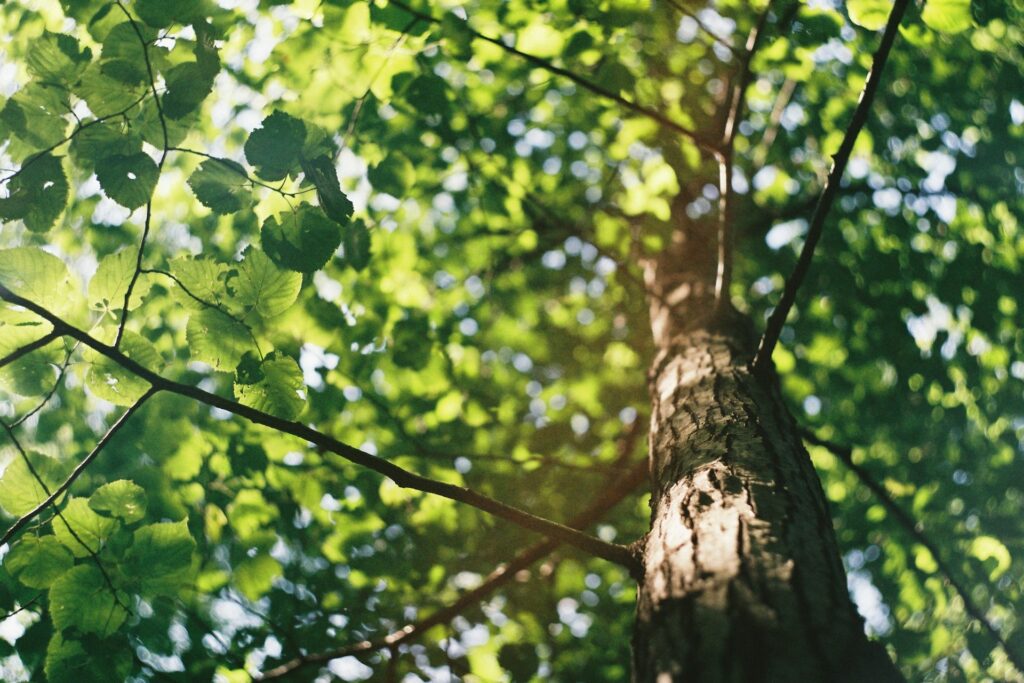

Summer heat can bring negative effects to trees, especially due to extreme temperatures and prolonged drought. Although trees can survive on their own, there are times when they are suffering. And if you can monitor and do something to help them suffer less, you shouldn’t hesitate. Besides, if trees are left untreated for weeks, they might become weak and vulnerable to pests and diseases.
In this article, we’ll discuss some signs that trees are suffering from heat stress.
Understanding Heat Stress in Trees
Heat stress happens when the trees absorb less water from the soil than the amount they’ve lost from the heat. Usually, with exposure to dry winds, high temperatures, poor water supply, and compacted soil, trees won’t be able to receive enough water they need, regardless of their age.
1. Wilting Leaves
One of the signs you should look out for when you think a tree is experiencing heat stress is wilting or drooping leaves. Specifically, it’s when the leaves look crinkled, limp, or droopy, especially during the hottest time of the day. When trees do this, it’s their way of conserving water to survive.
2. Brown or Scorched Leaf Edges
Another sign you should look out for is when the edges of the leaves are brown or scorched, have yellowing veins, and dry tips. When the leaves are damaged, it starts at the outer margin going to the centre, because the farther the part is from the base, the easier it is to lose moisture.
3. Premature Leaf Drop
If the trees are stressed, there’s a high chance that they shed leaves prematurely. And one of the things that can cause a tree to be stressed is due to heat. During summer, trees often lose a significant amount of water, which can later on become a reason for it being stressed.
4. Cracked Soil Around the Tree
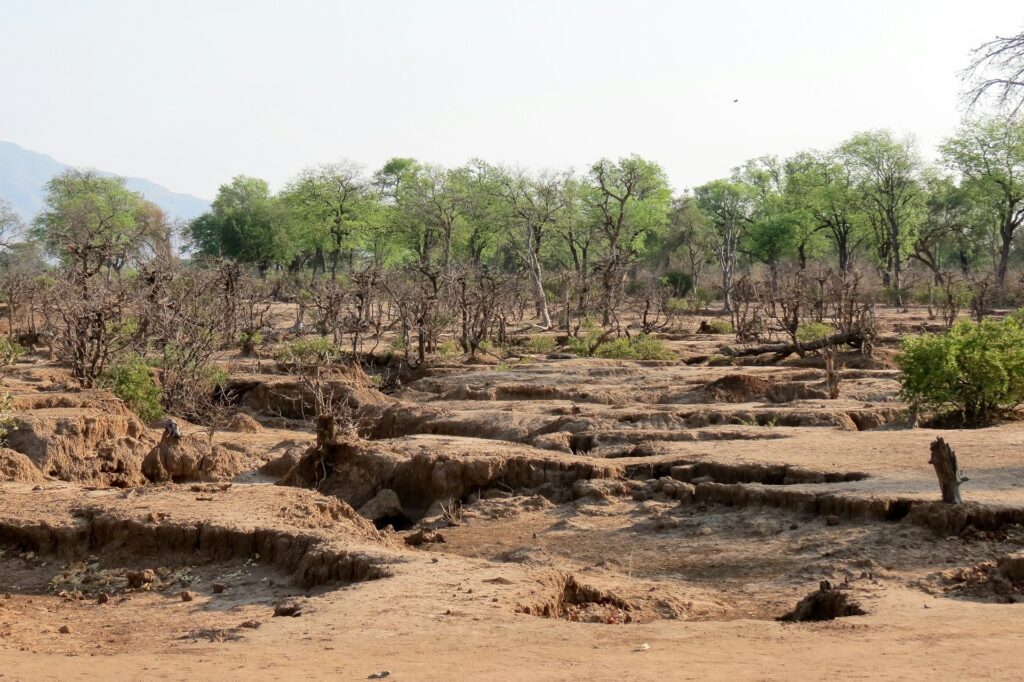
Soil condition often dictates the status of trees. If a tree is experiencing heat stress, you may notice that the soil around it is cracked, dry, and compacted. These signs indicate that the tree can’t have access to enough water supply.
5. Discoloured and Smaller Leaves
If the trees are experiencing heat stress, they tend to produce leaves smaller than usual. At the same time, the colour ranges from yellow to pale green. As you know, most healthy trees produce dark green leaves, so always keep an eye on the colour and size of the leaves when you suspect that a tree is suffering from heat stress.
6. Dead Branches
If trees continuously suffer from severe heat, it might result in branch dieback. This often starts at the outer canopy since it’s the part that’s always exposed to the sun’s heat. Being exposed to sunlight, the branches become brittle, dry, and often die if not taken care of properly.
7. Increased Pest and Disease Activity
As the trees become weaker due to heat stress, they can also become more susceptible to pests and diseases, such as fungal infection. If you’re looking for signs, you can observe fungal growth, holes in the leaves or bark, thinning of the canopy, and having sawdust-like materials.
8. Slow Growth or Sparse Canopy
As mentioned, the leaves of healthy trees are significantly different from those that are affected by heat stress. If you can observe fewer leaves, thin branches, and a significant decline in the overall health, it can also lead to slow growth or a sparse canopy.
9. Bark Splitting or Sunscald
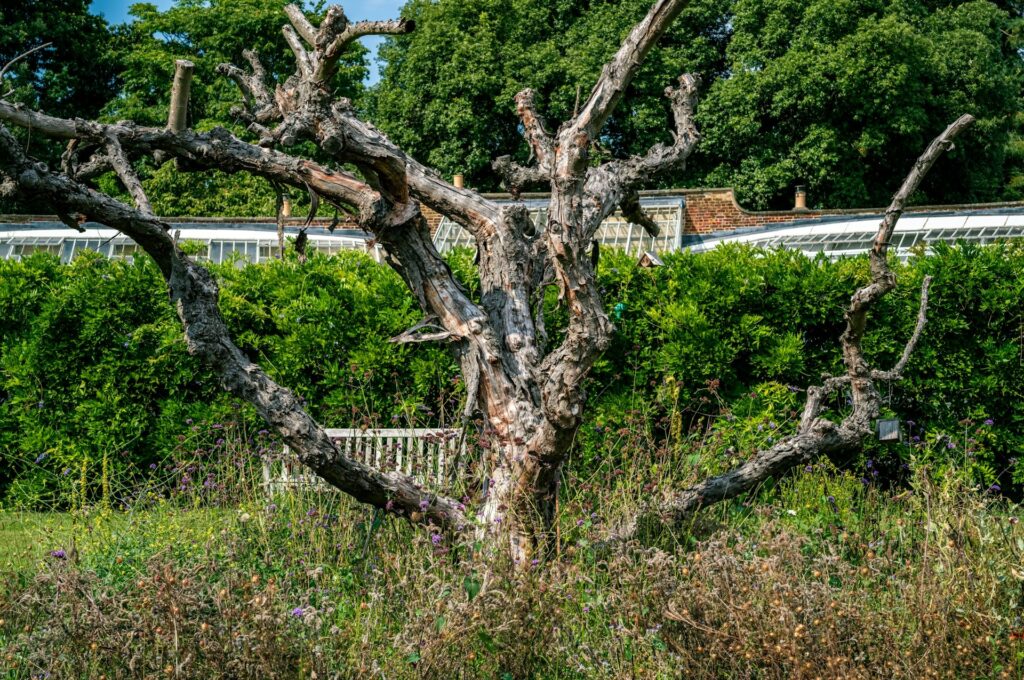
The bark can also show signs that a tree is suffering from heat stress, especially if the trees are younger or the species naturally have thinner bark. Specifically, you should look out for peeling, cracking, or discoloured trunk, which are all symptoms of sunscalding.
How to Help Heat-Stressed Trees
If there are noticeable differences with how the tree usually looks compared to its current conditions, here are some ways to help it recover:
Deep Watering
Since heat stress occurs when trees absorb less water than they lose, the most important thing you can do is to water them slowly and deeply. You can water the drip line for about 20 to 30 mins, which is ideal in the morning, but you can also do it as the sun sets.
Mulching
Mulching helps lock in moisture and regulate soil temperature. So, if you experience extreme heat in your area, it’s best to apply around 3 to 4 inches of mulch around the trees. However, ensure that you’re properly placing them, and avoid having direct contact with the trunk to avoid decay.
Avoid Excessive Pruning
Since trees need to survive extreme heat, they should have enough protection to avoid getting exposed to heat. In doing so, you should avoid excessive pruning. Instead, remove the dead or weak branches only, and avoid cutting deep, which can add more stress to the trees. If you aren’t able to decide on how to prune the trees, it’s best to hire an arborist, or an AQF Level 5 Arborist if there are a lot of trees and you’re in a commercialised area.
Final Thoughts
Summer heat isn’t just harmful to humans and animals, but also to trees. Even though they seem strong, there are instances when trees also need help, especially when they’re constantly exposed to extreme heat. By considering the list in this article, you can easily identify the signs that trees are suffering from heat stress.
